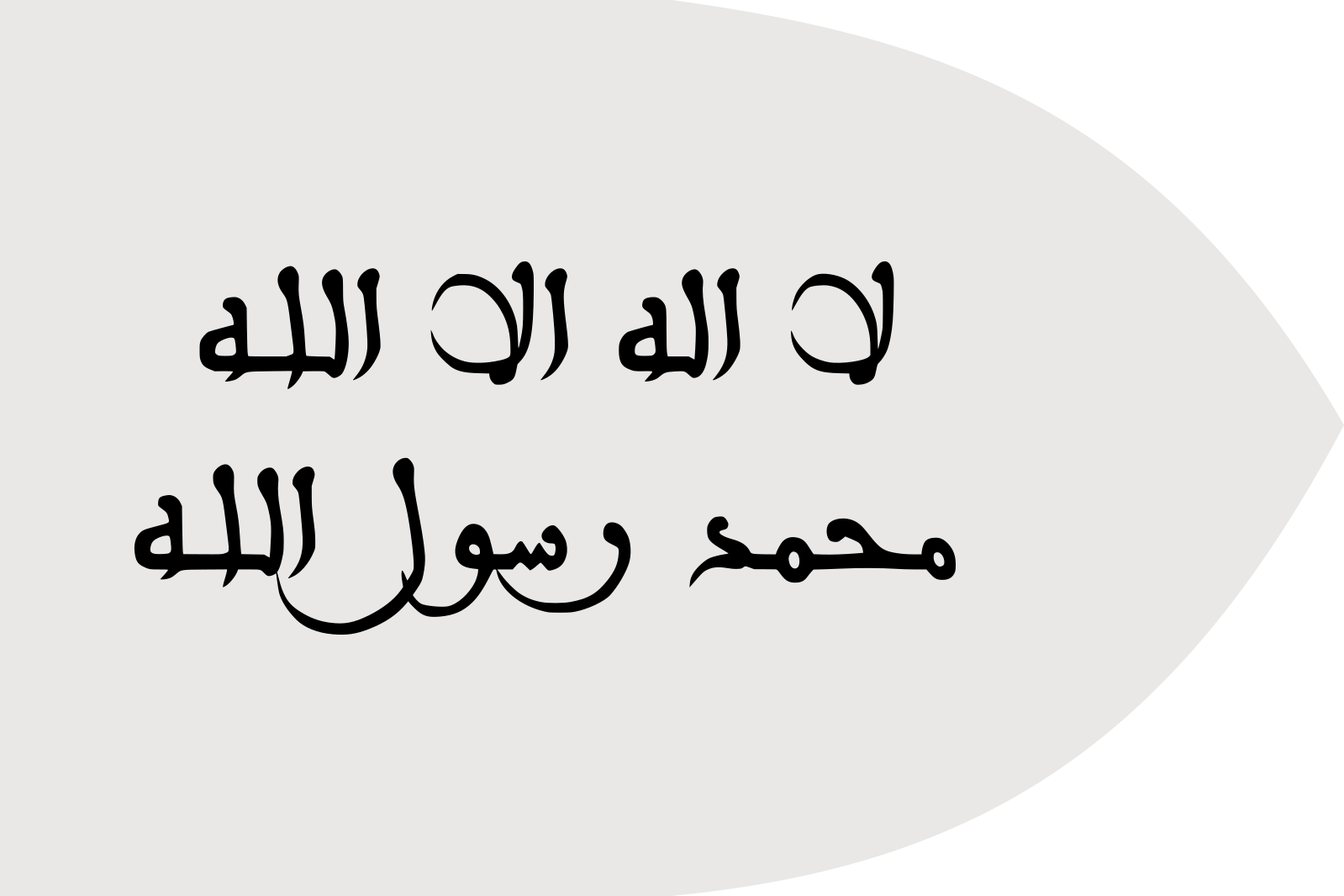
Almoravid Flag
راية المرابطين
The Dynasty that Changed the World

المرابطون

Al-Murābiṭūn
1040 — 1147 CE

From the Saharan sands to the gates of al-Andalus, the Almoravids forged an empire that reshaped two continents and left an indelible mark on civilization.

Explore the Legacy
Scroll
0
km² of Empire
Sahara to Pyrenees
0
Years of Rule
1040 – 1147 CE
0
Continents Spanned
Africa & Europe
0
Capitals & Great Cities
Including Marrakech
Dominion

Lands of the Murābiṭūn

Capital
مراكش
Marrakech
Founded in 1062 by Yusuf ibn Tashfin as the imperial capital. It became one of the great cities of the Islamic world, renowned for its mosques and gardens.
al-Andalus
قرطبة
Córdoba
The jewel of Iberia. Under Almoravid protection, Córdoba continued to flourish as a center of philosophy, medicine, and interfaith scholarship.
al-Andalus
إشبيلية
Seville
A strategic stronghold in al-Andalus, Seville served as a key military and administrative center during the Almoravid campaigns in Iberia.
Maghreb
فاس
Fez
Home to al-Qarawiyyin, one of the world's oldest universities. Under the Almoravids, Fez thrived as a hub of learning and commerce.
Sahara
أوداغست
Aoudaghost
A vital trading post on the trans-Saharan gold route. Its capture in 1054 gave the Almoravids control of the lucrative gold trade.
West Africa
سجلماسة
Sijilmasa
Gateway to the Sahara and the gold trade. This oasis city connected the empire's northern territories to the wealth of sub-Saharan Africa.
Drag to explore
Chronicle

The Rise & Reign

c. 1040
The Movement Begins
Abdullah ibn Yasin unites the Sanhaja Berbers through a ribāṭ — a fortified monastery in the Sahara — igniting a religious and military movement.
1062
Marrakech Founded
Yusuf ibn Tashfin founds Marrakech at the foot of the Atlas Mountains. It becomes the jewel of the empire and one of the great cities of the Islamic world.
1086
Battle of Sagrajas
The Almoravids cross the Strait of Gibraltar and decisively defeat Alfonso VI of Castile, saving al-Andalus from the Reconquista for generations.
1090 – 1110
Empire at its Zenith
The empire reaches its greatest extent — from the Senegal River in the south to the Ebro in the north, uniting the Maghreb and al-Andalus under one banner.
1147
Legacy Endures
Though the dynasty falls to the Almohads, their legacy endures — in Marrakech, in Amazigh identity, in the architecture and scholarship they championed.
Foundation

Pillars of the Empire

أمازيغ
Amazigh
The free people — the indigenous Berber identity at the heart of the dynasty's power and culture.
🏔
أطلس
Atlas
The great mountain range that served as a natural fortress and spiritual homeland for the Almoravid confederation.
🛡
صنهاجة
Sanhaja
The powerful Berber tribal confederation whose warriors formed the backbone of the Almoravid military.
🕌
رباط
Ribāṭ
Fortified monasteries that became centres of Islamic learning, discipline, and the launchpad for empire.
من جبال الأطلس خرج نور غيّر وجه العالم
— From the Atlas Mountains came a light that changed the face of the world
The Story

The Almoravids emerged from the Sanhaja Berber confederation deep within the Sahara. What began as a puritanical religious movement in a remote ribāṭ evolved into one of the most formidable empires the medieval world had ever seen.

Under Yusuf ibn Tashfin, they founded Marrakech, unified the Maghreb, and crossed the sea to save al-Andalus from collapse. Their gold dinars became the standard currency of Mediterranean trade, and their mosques and madrasas set new benchmarks for Islamic architecture.

They were Amazigh. They were scholars and warriors. And their story deserves to be remembered.

Key Facts

  • OriginSaharan Berbers
  • CapitalMarrakech
  • ReligionSunni Islam (Maliki)
  • FounderAbdullah ibn Yasin
  • Greatest RulerYusuf ibn Tashfin
  • Key BattleSagrajas (1086)
  • LegacyMarrakech, Amazigh identity
اكتشف المزيد

Dive deeper into the history of the Almoravid dynasty and the Amazigh civilization that shaped two continents.

Read on Wikipedia